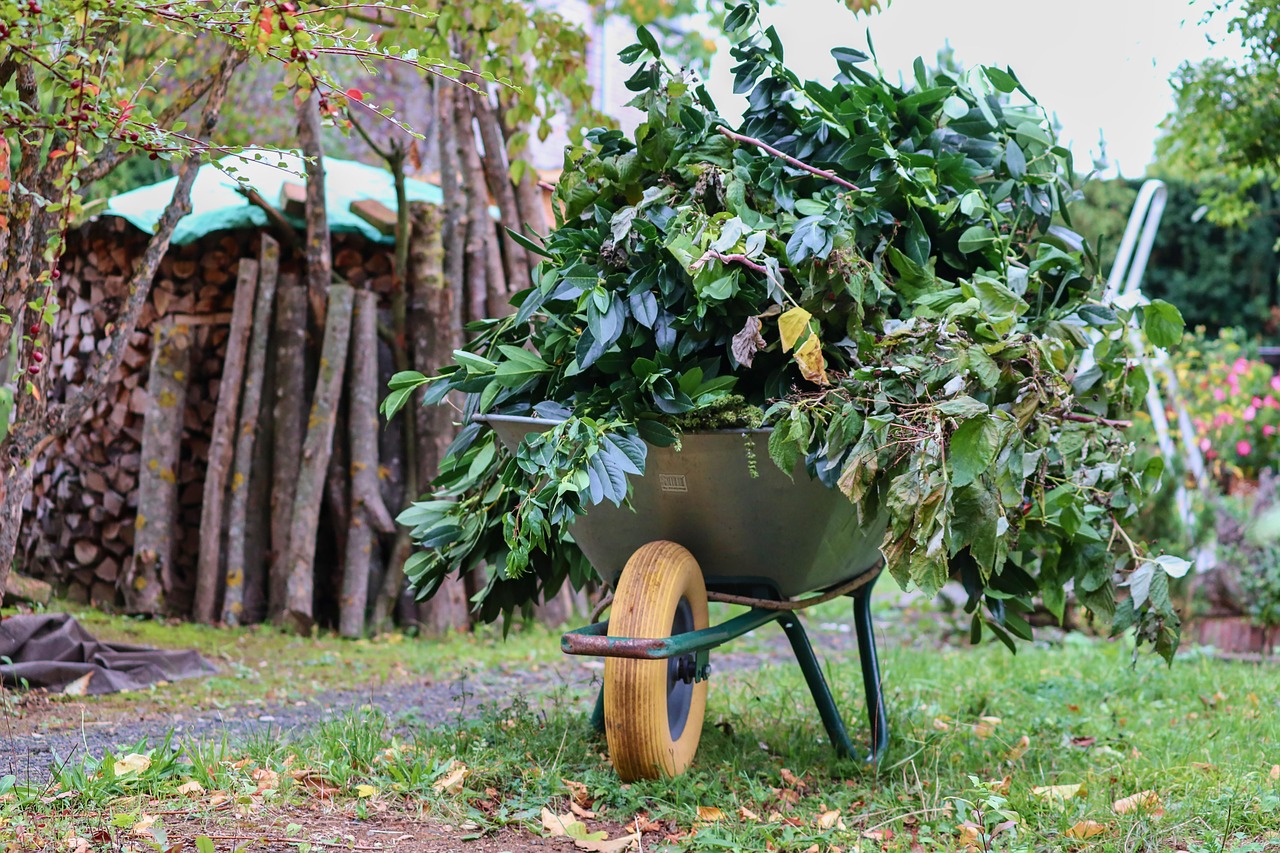


Well spring is on its way to Ottawa, or so my neighbour told me Wednesday while he was shovelling his driveway. This won’t be our first taste though – Mother Nature has been teasing us for some time now. I even had a friend mention a few weeks ago that she saw people outside doing yard cleanups. Yikes! Slow down!
While we were all hibernating the last few months our friends in the soil were also hibernating – in the form of cysts and spores. As winter sets in and the ground freezes, their metabolism slows down; plants are dormant making food less available, and it’s a good time for a long nap with the hope that the right conditions will come along in a few months to wake up. But in order for these microorganisms to re-awaken, they need the right conditions – food, warm-ish soil, and not too much moisture. Given the snowfall earlier this week, and the fact that it lingered on the grass, it’s safe to assume the soil is still too cold and wet for them to be awake. But when the soil conditions allow, they’ll also need food to come out of dormancy.
Remember that yard mess?
Now it’s going to be really helpful. The leaves on the ground, deeper roots from the longer grass you didn’t mow low, roots of the plants you left when you chopped and dropped them are all microbial food in spring. Without that, it will take longer for them to come out of dormancy.
So don’t clean it up yet. And when you do, take your time.
On the lawn
Big branches can be cleared away at any point. Keep in mind that the ground is still wet and soft. Walking back and forth or dragging something heavy can cause compaction. Raking can be done once the ground has dried out and is no longer soft. The grass won’t start to perk up for a few more weeks yet, but raking up any detritus before then is fine.
In the garden
Start with last year’s plants that remain untouched. Chop and drop those and leave the branches on the ground for now. Any big items – cardboard coverings that didn’t fully break down or large branches that were left behind can be removed first to allow more air to flow. The rest of the ground cover should remain until you’re ready to plant. This may be a lazy approach, but it is far less work to let it compost in place than moving it to a compost pile. When you’re ready to plant, clear any detritus away and apply fresh compost and mulch as required.
The compost pile
This should be the last task. Because the cold temperatures hung around for so long, it might still be frozen. If you have a thermometer, stick it in, aiming to get the base of the probe as close to the center of the pile as possible. Keep an eye on this and when the temperature is nearing the active zone it’s ok to empty it. If you don’t have a thermometer,you don’t want it to feel cold to the touch. If it feels too cold or too wet to you, it is certainly so for the microorganisms. Check it weekly though, a warm burst of spring might turn it around quickly. Don’t worry about leaving it too long – the longer it goes undisturbed, the more microorganisms that will emerge from dormancy leading to a healthier pile.
It won’t be long before microorganisms come out of dormancy and find other food sources. Once life above ground starts to bud and show signs of spring the microorganisms will easily find other food sources and you can do a full yard clean-up. Or continue to leave the mess.

Leave a Reply